

ABOUT THE AUTHOR
Max Rose
Max Rose is the owner of Four Seasons Plumbing, a plumbing company in Asheville, North Carolina.
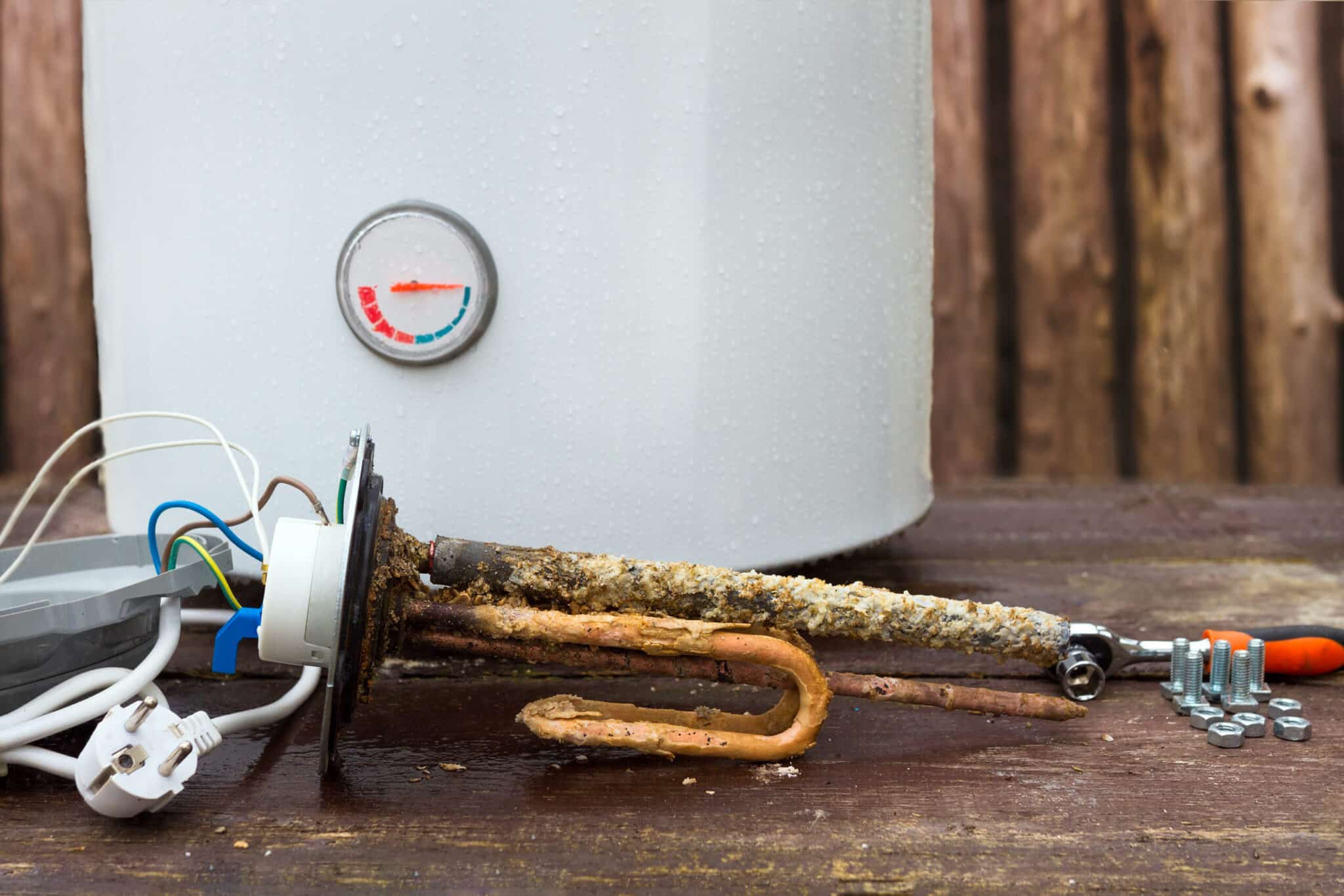
If your water heater suddenly stops working, common causes include a pilot light issue, tripped breaker, shut-off fuel supply, heating element failure, mineral buildup, or worn-out parts. In many cases, professional water heater troubleshooting is the fastest way to find the problem and restore hot water safely.
Water heaters and the hot water they provide are a convenience that would be incredibly hard to live without in any environment. When this occurs, this can be a big problem, especially if you have to go without hot water for a few days while waiting for a plumber to come out and fix it. Before you call the pros at Four Seasons Plumbing in Asheville, NC, here are some of the possible reasons your water heater might not be working.
The pilot light is a small flame that helps a gas water heater heat water. If it goes out, your system may stop producing hot water.
The pilot light is the flame that keeps your water heater running. It can go out for a number of reasons, including:
If the pilot light keeps going out, that is usually a sign that something more than a one-time interruption is going on.
High mineral levels can lead to sediment buildup inside the tank. Over time, that buildup can reduce heating performance, increase wear, and shorten the life of the unit.
If you’re noticing a decrease in your water heater’s effectiveness, it may be due to high mineral levels in your water supply. If you want to prevent this from happening to future water heaters and avoid having to replace them prematurely, make sure that you take steps to reduce these mineral levels before installing a new system.
After doing so, if there are still high mineral levels present after installation and use for several weeks, contact a professional plumber who can perform an inspection of your equipment and determine the cause.
The main signs of sediment buildup include:
The gas valve controls the flow of gas to the burner. If it is broken, your water heater may stop heating water or stop working altogether.
If you’ve had your water heater for a while, the gas valve may be broken. The gas valve is responsible for turning the burner on and off, so it can cause serious problems when it malfunctions. This is one of the most common causes of water heater failure in homes today.
Because the gas valve affects both performance and safety, it is best to have this issue diagnosed by a licensed plumbing professional.
If you suspect your gas valve has gone bad and needs to be replaced, or if you have any other issue with your water heater, call a plumber immediately. Don’t try fixing any problems yourself until they’ve been diagnosed by an expert who knows exactly what they’re looking at first.
Even if your home has a water softener, mineral deposits can still affect your water heater. If the softener is not working correctly, hard water can continue moving through your plumbing system and into the tank.
Some of the most common causes of water heater failure are mineral build-up and water softener malfunctions. In some cases, even without malfunctioning, mineral deposits can cause your heater to stop working.
If you have a softener installed in your home, it’s essential to check its condition regularly. If you notice that there is excessive buildup on your water heater or other plumbing fixtures, this may be an indication that there is something wrong with the softener’s operation. To determine whether or not there is a problem with your softener equipment:
Low water pressure can cause many hot water problems, including a broken water heater. If the pipes are too small or in bad shape, they’ll be unable to deliver enough water to keep up with your family’s needs.
This isn’t something that you’ll notice right away; however, if you notice that your shower takes longer than usual to heat up and/or that it doesn’t get as hot as it should be (especially in winter), then you may have low water pressure issues.
If your pipes are too small or have mineral deposits that restrict their flow, replacing them could involve cutting through drywall and may require professional assistance.
In some homes, the issue is not just the water heater itself. Older pipes, buildup, or valve issues may also be affecting hot water delivery.
If the fuel or power supply has been shut off, the water heater cannot do its job. This is one of the most basic yet important causes to rule out when troubleshooting a water heater.
If you have a gas water heater, the fuel supply to the heater can be shut off by turning off a valve or closing a valve that regulates the gas flow.
Depending on your set-up, this could be done at the main service panel or within the gas line leading up to your hot tub.
If you have an electric water heater, then its circuit breaker can be shut off at your service panel.
If you have both a gas and electric water heater in one location (which is becoming more common due to high energy costs), then both systems will need to be shut off in order for any repairs or replacements to take place.
If you’ve got a water heater that’s tripped the circuit breaker, it’s likely because your unit is being overworked. The circuit breaker is a safety device that trips when too much electricity is being used by one object. That way, the water heater won’t cause a fire or electrocution if something goes wrong.
Heating element failure is one of the more common reasons an electric water heater stops producing enough hot water. When an element wears out, the system may produce little hot water or none at all.
How do you reset the circuit breaker? It all depends on where it’s located and what kind of setup you have in terms of your power source and wiring. If the breaker keeps tripping, the problem should be inspected by a professional rather than ignored.
If your water heater is too small for your household, it may seem like it has stopped working when it is really just unable to keep up with demand.
It’s important to choose the correct water heater size for your home. Your family’s hot water needs depend on how many people live in your home and how often they use it. A smaller-capacity unit will not be able to provide enough hot water when you need it, while a larger one may end up spending more time heating than necessary and wasting money.
You can find the right size by calculating an estimated daily usage first, or call a professional for help.
This is especially common when a household grows or hot water use increases over time.
Loose or damaged parts can affect how safely and efficiently your water heater runs. In some cases, worn components can lead to leaks, reduced performance, or complete failure.
Check the tank, pipes, and other system parts for loose or broken pieces. If you notice corrosion on any part of the system, it may be a sign that the unit needs professional repair or replacement before the damage spreads.
Corrosion, damaged connections, or aging components are all signs that your system may need professional attention.
Some water heater problems are obvious, while others build slowly over time. Knowing the warning signs can help you call for service before the problem gets worse.
The main signs include:
You should call for professional help when your water heater stops producing hot water, makes unusual noises, leaks, loses power repeatedly, or shows signs of gas valve or heating element failure.
That is especially important when gas, electricity, or internal components may be involved. Fast service can help prevent bigger plumbing issues and get your hot water back sooner.
If you are in need of a water heater repair in Asheville, NC, call the professionals at Four Seasons Plumbing. Our team is trained and ready to help you with all of your plumbing needs. We offer a variety of services, including water heater repair, tankless water heater installation, and maintenance.
Request a quote today.
Your water heater may not be producing hot water because of a pilot light problem, tripped breaker, heating element failure, shut-off fuel supply, broken gas valve, or sediment buildup inside the tank.
Some electric water heaters have a reset button, but if the unit keeps losing power or stops heating again, the system should be inspected by a professional to find the real cause.
Most tank water heaters last around 8 to 12 years. Tankless models may last longer, especially with regular maintenance and good water quality.
That depends on the age of the unit, the cost of the repair, and the type of problem. Newer systems are often worth repairing, while older units with repeated issues may be better candidates for replacement.
Common signs include little to no hot water, water that turns cold too quickly, inconsistent temperatures, or a breaker that trips repeatedly on an electric water heater.
Popping noises often happen when sediment collects at the bottom of the tank and traps water beneath it. As the water heats up, the trapped moisture creates the sound.
If your unit is older, needs frequent repairs, leaks, or no longer meets your household’s hot water needs, a plumber can help you decide whether repair or replacement makes more sense.
ABOUT THE AUTHOR
Max Rose is the owner of Four Seasons Plumbing, a plumbing company in Asheville, North Carolina.
Join Asheville's top-rated plumbing team. We offer stable work, competitive benefits, and a supportive, fun environment.
Explore Open Careers