

ABOUT THE AUTHOR
Max Rose
Max Rose is the owner of Four Seasons Plumbing, a plumbing company in Asheville, North Carolina.
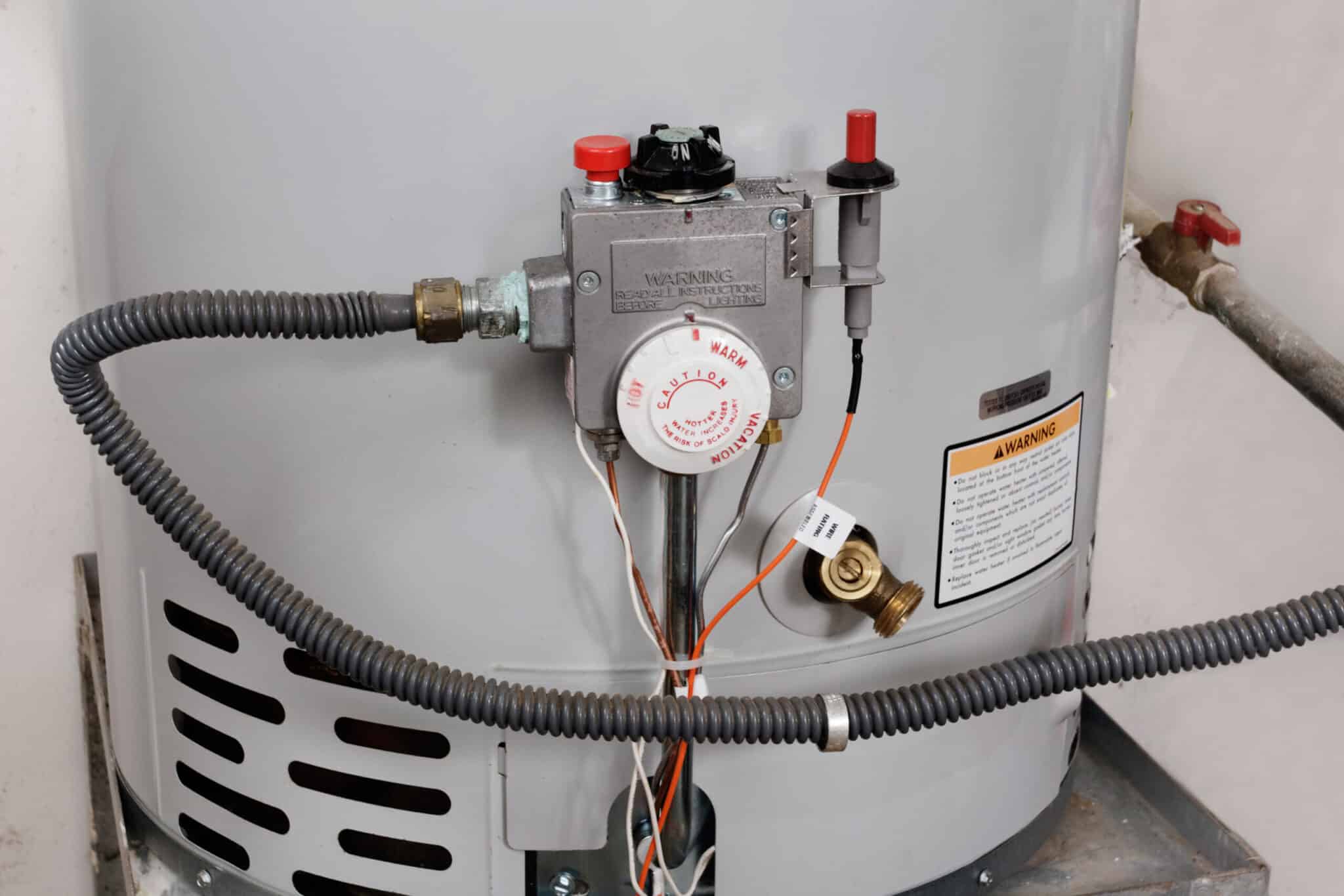
The usual lifespan of a water heater depends on the type, but most tank systems last 8 to 15 years, while tankless models can last 20 years or more with proper maintenance.
Knowing how long your unit should last can help you plan for repairs or replacement before it fails.
It’s easy to take our water heaters for granted. That is until they quit working. Once we’re left with ice-cold water, we quickly realize how dearly we need hot water for showers, washing dishes, and laundry.
Several factors impact the lifespan of a water heater, including the type of unit, installation quality, usage habits, and maintenance routine. Being familiar with these factors can help a homeowner understand when to call for a water heater repair.
Four Seasons Plumbing is your local expert regarding water heater repair in the Asheville, NC, area.
Different types of water heaters have different average lifespans based on how they heat and store water.
A gas tank water heater is a standard option in most households and usually lasts 8 to 12 years. Electric tank water heaters often last a little longer, usually around 10 to 15 years. Many homeowners also choose hybrid water heaters for their efficiency and utility.
Finally, the most modern options are tankless water heaters. Whether gas or electric, these models boast an average life of more than 20 years.
Choosing the right system can affect how soon you need water heater replacement and how much you spend over time.
A high-quality water heater typically lasts longer because it resists corrosion, mineral buildup, and heat loss more effectively.
A water heater’s construction directly affects how long it will last. When selecting a model, look first at its warranty. A more extended warranty implies a company’s confidence in its product and points to better construction.
Key features that help with extending water heater life include:
Look for models with more significant heating elements that provide higher wattage. A substantial heating element is more resistant to build-up from minerals and residue.
Thicker insulation will offer more protection to keep the water warmer in between using energy. This feature gives lower energy bills.
Porcelain casing not only insulates better, but it also adds a barrier against rust and corrosion.
Four Seasons Plumbing is happy to discuss the best option for your needs!
Proper installation helps prevent early system failure by ensuring safe ventilation, correct placement, and reduced exposure to moisture.
Water heaters need good ventilation to reach their optimum life. Ventilation around the unit is both a fire and carbon monoxide safety requirement. Poor air circulation around the unit will shorten the life.
A poorly installed unit can lead to faster wear, higher energy use, and more frequent water heater repair issues.
A water heater installed in a wet, damp environment can meet its demise sooner than designed. That’s because the presence of water leads to rust and corrosion. The exterior of your tank and the piping are vulnerable. Once rust starts, it’s pretty much “adios” to your water heater.
Installing a water heater in a place that’s hard to access may result in a homeowner forgetting or delaying proper maintenance calls.
Professional installation ensures your system is placed correctly, safely vented, and set up for long-term performance.
It’s tempting to install your water heater yourself to save a few bucks. But the team at Four Seasons Plumbing is trained to select the best location for the life of your water heater. Don’t be tempted to save a few pennies today and risk making an expensive repair in the future.
Extending water heater life comes down to regular maintenance, water quality management, and early problem detection.
If you live in an area with hard water, keeping up with maintenance makes all the difference in lengthening the life of your water heater.
Here are the steps to extend your water heater’s lifespan:
A water heater needs periodic flushing to prevent sediment and minerals from building up and clogging the tank. It’s best to call a professional if your model doesn’t have a self-flush feature. Most valves have plastic construction, easily breakable if not handled correctly. Flush your water heater annually or semi-annually.
The anode rod is another water heater part that will fail because it’s prone to corrosion. If not replaced, it will undoubtedly lead to water heater failure.
It can be very easy to miss a developing leak depending on the location of your water heater. A leaking water heater often points to internal wear that can lead to failure. Not only does a leaky water heater mean a shortened lifespan, but it’s a safety hazard. Immediately shut off the water and power to your unit and call Four Seasons Plumbing.
Yes, higher water usage puts more strain on your system, which can shorten its lifespan.
It makes sense that the amount of water a household uses impacts the life of a water heater. A water heater continuously using maximum volume causes it to overwork. Plus, more water circulating through the tank means more sediment and minerals are also in the tank. These issues lead to a shortened career for your water heater.
Homes with larger families or higher demand may need water heater replacement sooner than average.
Common signs include inconsistent hot water, leaks, strange noises, and reduced water pressure.
If you have an older tank or aren’t sure about its age, here are some signs your water heater is approaching the end of the line.
Running out of hot water is often one of the first warning signs of a failing system.
We probably don’t need to mention this, but just in case. Running out of hot water could be caused by a few water heater issues. The dip tube that brings cold water from the bottom of the tank often gets corroded. If you have a gas unit, the gas valve that transfers gas to the main burner and the pilot light can overload.
If these issues become frequent, it may be more cost-effective to consider water heater replacement instead of repeated repairs.
Not only will this result in cold water, but it’s also a safety hazard. In addition to these culprits, several electrical elements can fail.
None of these are tasks for the DIYer. Call Four Seasons Plumbing for the expert guidance you can trust!
Leaks often signal internal tank damage and usually mean replacement is needed.
An unattended leak will bring a shortened life to a water heater. Leaks are common in units without adequate maintenance. Common leak sites include the side wall seam. It can be repaired but involves making a new side wall piece after checking for internal damage.
If your pilot light keeps going out, your gas water heater may be nearing failure.
Having a functioning pilot light is essential to a gas water heater. If the light continually goes out, the burner doesn’t ignite. And when that
doesn’t happen, the water stays cold. Replacing the gas valve is not cost-effective; if the valve fails, it’s best to replace the entire unit.
Sediment buildup can block drainage and signal the tank is at the end of its lifespan.
If you try to drain your water heater tank and get little to no water, you have a problem. That indicates the tank is full of sediment and, unfortunately, is the end of the line for your water heater.
Low hot water pressure can point to valve failure or wear inside the system.
Newer water heaters have a check valve located on the cold inlet side. A faulty check valve prevents already heated water from entering the cold side when the pressure drops. When that valve fails, the hot side can’t correctly expand, and poor pressure occurs.
If your system is aging or showing signs of failure, now is the time to consider professional water heater repair or water heater replacement.
If your water heater is nearing the end of its service life, we have solutions to fit your home and water usage. Or maybe you want to upgrade to a more energy-efficient water heating answer.
The pros at Four Seasons Plumbing are experts in conventional and tankless systems. For the best water heater repairs in the Asheville, NC, area or for expert installation, click here to schedule an appointment.
A typical water heater lasts 8 to 15 years for tank models and 20 years or more for tankless systems.
Signs include leaks, inconsistent hot water, strange noises, and reduced pressure.
Water heater replacement costs vary based on the type, size, and installation complexity, but most homeowners can expect a wide range depending on the system chosen.
If your unit is over 10 years old and needs frequent repairs, replacement is often more cost-effective.
Regular maintenance, flushing the tank, and replacing worn parts like the anode rod can significantly extend water heater life.
Last updated March 31, 2026
ABOUT THE AUTHOR
Max Rose is the owner of Four Seasons Plumbing, a plumbing company in Asheville, North Carolina.
Join Asheville's top-rated plumbing team. We offer stable work, competitive benefits, and a supportive, fun environment.
Explore Open Careers