
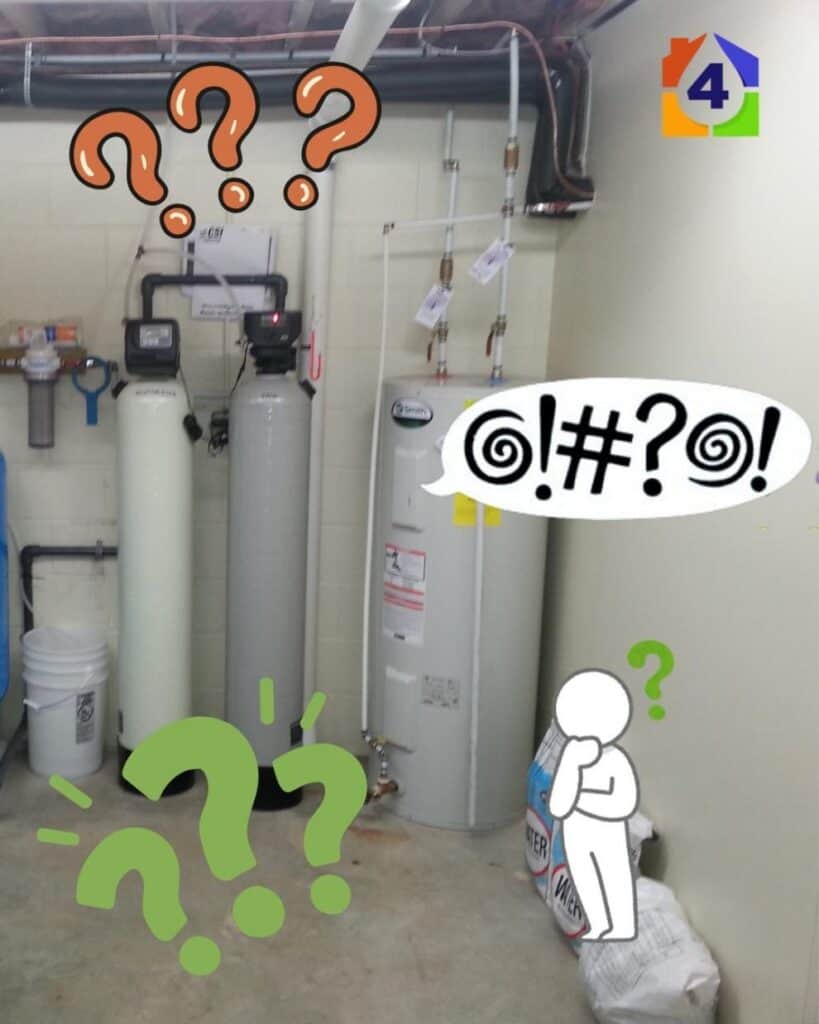
What Is Your Water Heater Trying to Tell You? The Asheville Homeowner’s Guide to Water Heater Repair and Replacement
Have you ever walked around in the middle of a quiet evening and heard a strange, rhythmically popping sound? It almost sounds like someone is making popcorn in a pot two rooms over, or a low rumble whenever someone takes a shower, that is because your water heater speaks its own language when it is struggling.
That popping or rumbling isn’t just a quirky household plumbing noise… it’s sediment. Over time, hard minerals will settle on the bottom of your tank and essentially bake under that heat. That buildup makes your system work harder, raises your monthly utility bills, can shorten your hot shower, and can eventually could cause a leak that dumps 50 gallons of water across your floor.
Homeowners depend on reliable hot water every single day, whether for washing off a muddy dog after a trail hike or keeping the family comfortable during crisp mountain mornings. Understanding how your system operates, what those strange noises mean, and when to choose between water heater repair and water heater replacement can save you thousands of dollars in unexpected damage.
The Hidden Science of Sediment: Why Water Causes Noisy Tanks
To understand why your tank is making noise, it helps to look at what’s flowing through your pipes. While our areas are famous for pristine mountain air and scenic views, our local municipal and well water carries naturally occurring minerals. Over time, these dissolved natural minerals (mostly calcium and magnesium) get into your home’s plumbing system.
When cold water enters your water heater tank, it settles at the bottom where the heating element (in electric models) or the gas burner (in gas models) is located. As the heating process takes place, these minerals separate from the water and settle onto the floor of the tank, forming a dense layer of mineral scale.
The Thermal Barrier Problem
When a thick layer of sediment sits at the bottom of your tank, it creates a thermal barrier between the heat source and the water inside.
- Trapped Water Pockets: Water gets trapped beneath the solid crust of mineral sediment directly above the burner or heating elements.
- Boiling & Popping: As the burner ignites, that trapped water boils instantly, turning to steam. The steam bubbles force their way up through the heavy layer of sediment, causing the distinct popping, cracking, or rumbling noise you hear.
- Overheating the Tank Metal: Because the heat cannot easily transfer into the main body of water, the bottom of your metal tank can overheat. Over time, this heat can weaken the steel structure, breaks down the protective glass lining inside the tank, and can lead to premature cracking or complete tank failure.
- Increased Utility Costs: Your water heater must run longer and burn significantly more energy just to heat the same amount of water, causing your monthly electric or gas bills to rise without any increase in hot water output.
7 Critical Signs Your Water Heater Needs Repair or Replacement
That popping noise is often the first audible sign of trouble, but it is rarely the only indicator. Keep an eye and ear out for these seven common red flags that signal your unit requires professional attention:
1. Popping, Rumbling, or Banging Noises
A quiet water heater is a healthy water heater. Loud popping, rumbling, or knocking sounds mean severe sediment accumulation has already taken place. Flushing the tank may resolve the issue if caught early, but heavy, prolonged rumbling often indicates permanent structural fatigue.
2. Lukewarm Water or Running Out of Hot Water Quickly
If your morning shower turns lukewarm halfway through, or if your household can no longer run two hot water appliances at the same time, your heating capacity has decreased. In electric models, this often points to a burned-out heating element or a faulty thermostat. In traditional tank units with severe sediment buildup, the scale simply leaves less space for actual water, reducing your available gallon capacity.
3. Rusty or Cloud-Colored Hot Water
If tap water runs clear when turned to cold, but comes out reddish-brown, rusty, or milky when turned to hot, the interior of your water heater tank or cold-water dip tube is deteriorating. Rusty water usually means the anode rod inside your tank has completely depleted, leaving the steel walls vulnerable to oxidation. Once rust begins eating away at the interior walls of a steel tank, replacement is necessary.
4. Smelly Hot Water (Rotten Egg Smell)
An unpleasant rotten-egg odor coming exclusively from your hot water taps is typically caused by sulfur-reducing bacteria reacting with the magnesium or aluminum anode rod inside the tank. While not always dangerous to your health, it makes showering and washing dishes thoroughly unappealing.
5. Water Leaking Around the Base of the Unit
Any active pooling water around the base of your water heater demands immediate action. Leaks can originate from simple, fixable components like a loose drain valve, a worn temperature and pressure (T&P) relief valve, or loose pipe connections. However, if water is weeping through the outer casing, the entire unit must be replaced immediately to prevent major flood damage.
6. Reduced Hot Water Pressure
If you notice a sudden drop in water pressure specifically when using hot water, mineral scale may be clogging the hot water outlet pipe, shut-off valves, or internal heat exchanger pathways.
7. Your Water Heater Is Over 10 Years Old
The typical lifespan of a standard tank water heater in Western North Carolina ranges between 8 and 12 years. Even if an older unit seems to be functioning, internal corrosion and metal fatigue are at work. Proactively planning for water heater replacement before an emergency occurs saves you from midnight cleanups and emergency service stress.
When Water Heater Repair Makes Sense
Many common water heater issues can be resolved quickly and affordably with professional repair. You likely only need a targeted repair if:
- Your system is under 8 years old and well-maintained.
- The issue is isolated to an electrical component, like a faulty thermostat, upper or lower heating element, or reset switch.
- The leak is coming from an external pipe connection, brass drain valve, or replaceable T&P valve.
- Your burner assembly or gas valve requires cleaning, adjustment, or replacement.
At Four Seasons Plumbing, our certified technicians carry a full inventory of replacement parts on our service trucks, allowing us to complete most common water heater repairs on the spot during our very first visit.
When Water Heater Replacement Is the Smarter Choice
While we always aim to extend the life of your existing equipment whenever practical. Replacement is usually the safest and most cost-effective path forward if:
- The steel tank itself is leaking or showing visible structural rust along the seams.
- The cost of repairs exceeds half the price of installing a modern, energy-efficient new unit.
- Your tank is over 10 years old and experiencing recurring mechanical failures.
- Heavy sediment has permanently damaged the internal lining, leading to structural popping and overheating.
Exploring Modern Hot Water Upgrades for Your Home
If it turns out your home is due for a new unit, you have more options today than ever before. Choosing the right system depends on your household size, daily hot water usage, energy goals, and budget.
Standard Tank Water Heaters
Traditional tank water heaters store and continuously heat between 30 and 80 gallons of water 24 hours a day.
- Pros: Lower upfront installation cost, simple operation, reliable performance for households with predictable hot water demand.
- Cons: Higher ongoing operational costs due to standby energy loss, limited total supply of continuous hot water, larger physical footprint.
- Best For: Homeowners seeking an economical, straightforward replacement that integrates directly with existing plumbing hookups.
Tankless Water Heaters (On-Demand Systems)
Tankless water heaters do not store hot water. Instead, they use powerful heat exchangers (powered by gas or electricity) to heat water instantly as it flows through the unit when a faucet is turned on.
- Pros: Endless, continuous supply of hot water, greater energy efficiency compared to standard tanks, compact wall-mounted design that frees up floor space, and a longer average operating lifespan.
- Cons: Higher initial equipment and installation investment; may require gas line or electrical panel upgrades during retrofitting.
- Best For: Growing families, large homes with high hot water demand, and energy-conscious homeowners looking for long-term utility savings.
Preventive Care: How to Extend the Life of Your Water Heater
You don’t have to wait for your system to start popping like a kettle to take care of it. Regular preventative maintenance protects your investment, keeps your energy bills low, and prevents sudden breakdowns.
- Perform an Annual Tank Flush: Draining and flushing several gallons of water from the bottom of your tank once a year helps clear out soft mineral sediment before it bakes into a rock-hard layer.
- Inspect the Anode Rod: The anode rod is a metallic rod inserted into the tank specifically to attract corrosive elements in the water so the tank wall doesn’t rust. Having a plumber check and replace this rod every 3 to 5 years can double the lifespan of your tank.
- Check the T&P Valve: Test the temperature and pressure relief valve annually by lifting the lever briefly to ensure water releases freely and stops completely when released.
- Consider Whole-Home Water Treatment: If mineral scale buildup is a recurring headache in your household, installing a water softener or conditioning system protects not just your water heater, but your dishwasher, washing machine, and plumbing fixtures throughout the home.
Listen to Your Water Heater Tonight
Checking up on your water heater doesn’t take specialized tools or technical knowledge, all it takes is sixty seconds of your time tonight.
Head over to your utility area, stand next to your unit, and listen closely while it’s heating.
- If it’s whisper quiet: Enjoy the peace of mind knowing your system is operating smoothly and efficiently.
- If it pops, rumbles, or crackles: Don’t wait for fifty gallons of water to end up on your subfloor. Catching sediment buildup and mechanical wear early can mean the difference between a simple, low-cost maintenance flush and a costly middle-of-the-night emergency cleanup.
Whether you need a minor repair, an expert diagnostic tune-up, or guidance on upgrading to a high-efficiency tankless system, the friendly team at Four Seasons Plumbing is here to help. Reach out to us today to schedule your service or speak with one of our licensed local plumbing specialists!