

ABOUT THE AUTHOR
Max Rose
Max Rose is the owner of Four Seasons Plumbing, a plumbing company in Asheville, North Carolina.
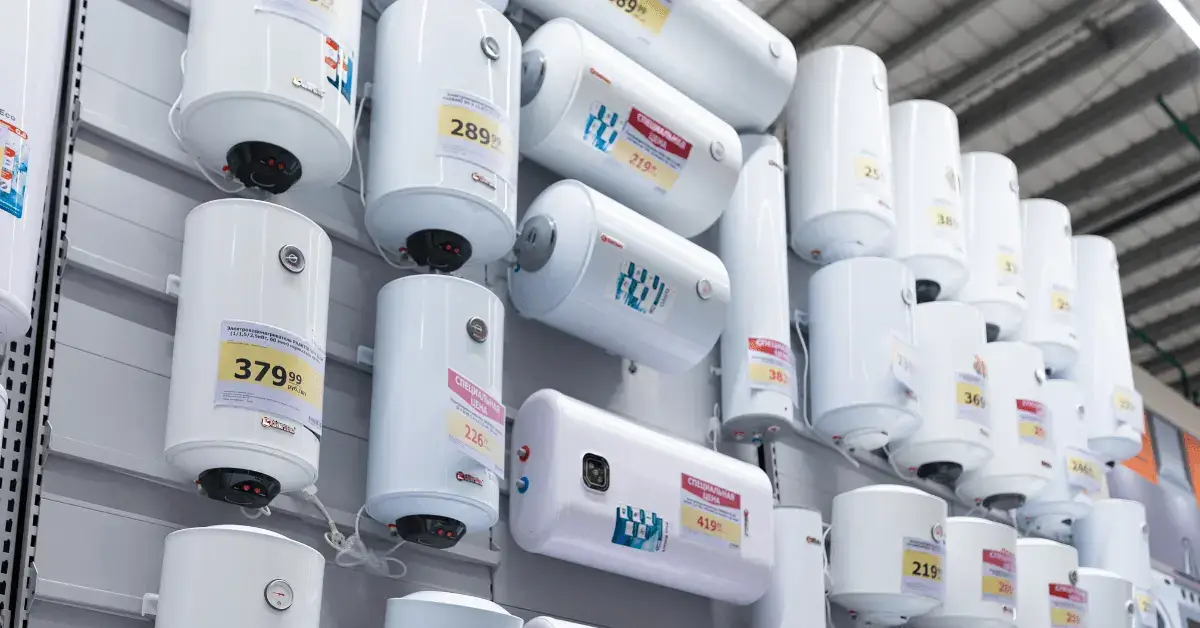
Is it about time to replace your water heater? Are you moving into a new home and trying to decide what type of water heater to get?
One of the things you’ll have to consider is which of the various water heater sizes available is the best for you. You can do that by matching your usage habits to tank sizes.
Before you do that, though, you’ll need to choose between a conventional tank system a tankless water heater, or another option among today’s most common water heater types, such as heat pump or hybrid systems. Tankless systems are relatively new and have their benefits, but the vast majority of homes still use tank systems. There are several reasons for this:
Before you determine the tank size that you’ll need, you have to choose whether you want a water heater powered by natural gas or by electricity. There are also some hybrid models on the market that use both sources to heat water. If energy savings are a top priority, it’s also worth asking about energy-efficient water heaters, including hybrid heat pump models.
In some places, the choice will be simple – you won’t have a choice! When you do have the option to choose between natural gas and electric, however, you might want a natural gas water heater because of the following benefits they have over electric-powered water heaters:
Common water heater sizes are 30-, 40-, 50-, and 75-gallon tanks. One way to determine the right size is to look at how many people are in a household and what the level of demand for hot water is. Four Seasons is here to help you determine what water heater size is best for your home. The following are some general guidelines based on family sizes:
A more precise way to choose among water heater sizes is to figure out what your home’s first-hour rating is. The first-hour rating is the amount of hot water needed during the hour of peak hot water usage, and it tells you how much hot water the tank can deliver in that hour. This is one of the most important sizing metrics when comparing water heater types.
Also included in the first-hour rating is the recovery rate. This rate comes from the combination of how much hot water the tank can store and how quickly the tank can heat cold water to the desired temperature when you have to replenish it. When comparing new systems, it’s also smart to check the Uniform Energy Factor (UEF), which helps measure overall efficiency.
The following are some common uses for hot water and a general range of how much hot water they require. After figuring out what your peak hour of hot water usage is (for most, it’s a period during the morning, but that doesn’t hold for every household), determine which activities the water heater serves during that period. Once you do that, then you can add up the estimated gallons needed to determine the right water heater size for your home.
| Activity | Estimated Hot Water Use |
|---|---|
| Washing clothes | 25 to 40 gallons per load |
| Bath | 15 to 25 gallons |
| Housecleaning | 5 to 12 gallons |
| Washing dishes in a dishwasher | 5 to 10 gallons per load |
| Shampooing | 5 gallons |
| Food prep | 3 to 6 gallons |
| Washing dishes by hand | 3 to 4 gallons |
| Showering | 3 gallons per minute |
| Shaving | 2 to 3.5 gallons |
| Bathing a baby | 2 gallons |
| Washing hands | 1 to 2 gallons |
Let’s say that during the peak hour, a family of 3 showers for an average of 8 minutes each. They also run a dishwasher load. One person shaves at a sink, and another uses hot water to help prepare breakfast.
That’s up to 91 gallons needed. This family needs a 75-gallon tank or larger. They might also want to consider shorter showers or running the dishwasher later! If they are exploring other water heater types, they may also want to compare a properly sized tankless or hybrid model based on flow rate, recovery, and efficiency goals.
Read more on What Should You Look For When Buying Water Heaters?
In summary, selecting the ideal water heater size for your home requires careful consideration of various factors, including your household size, hot water usage, and energy preferences. This decision can be complex, but you don’t have to navigate it alone. Four Seasons Plumbing is here to guide you through every step of the process.
Our experts will help you assess your specific needs, calculate your home’s first-hour rating, and recommend the most efficient and cost-effective water heater for your situation. With our professional insight and installation services, you can ensure that your water heater not only meets your daily demands but also enhances your home’s energy efficiency and comfort. Whether you’re comparing traditional tanks, tankless units, or energy-efficient water heaters like hybrid models, choosing the right fit starts with accurate sizing and expert guidance. Trust Four Seasons Plumbing to bring the warmth and convenience of the perfect water heater into your home.
The right size depends on how many people live in your home, when you use hot water most, and how many fixtures or appliances may run at the same time. In many cases, a 30- to 40-gallon tank works for smaller households, while larger families often need 50 to 75 gallons. A better way to size a system is by reviewing the first-hour rating and your peak-hour usage.
They often are because they heat water on demand instead of storing hot water continuously. However, the best choice depends on your household’s usage patterns, installation budget, and long-term energy goals.
The most common water heater types include traditional storage tank water heaters, tankless water heaters, and hybrid or heat pump water heaters. The best option depends on your space, budget, hot water demand, and efficiency goals.
Energy-efficient water heaters typically have better performance ratings, such as a higher UEF, and may use advanced technology to reduce wasted energy. Hybrid and heat pump systems are especially popular for homeowners looking to lower energy use.
Last update on 4/20/2026
ABOUT THE AUTHOR
Max Rose is the owner of Four Seasons Plumbing, a plumbing company in Asheville, North Carolina.
Join Asheville's top-rated plumbing team. We offer stable work, competitive benefits, and a supportive, fun environment.
Explore Open Careers